News
Australia hosts Indonesian delegation to strengthen subsea cable cooperation – Read more
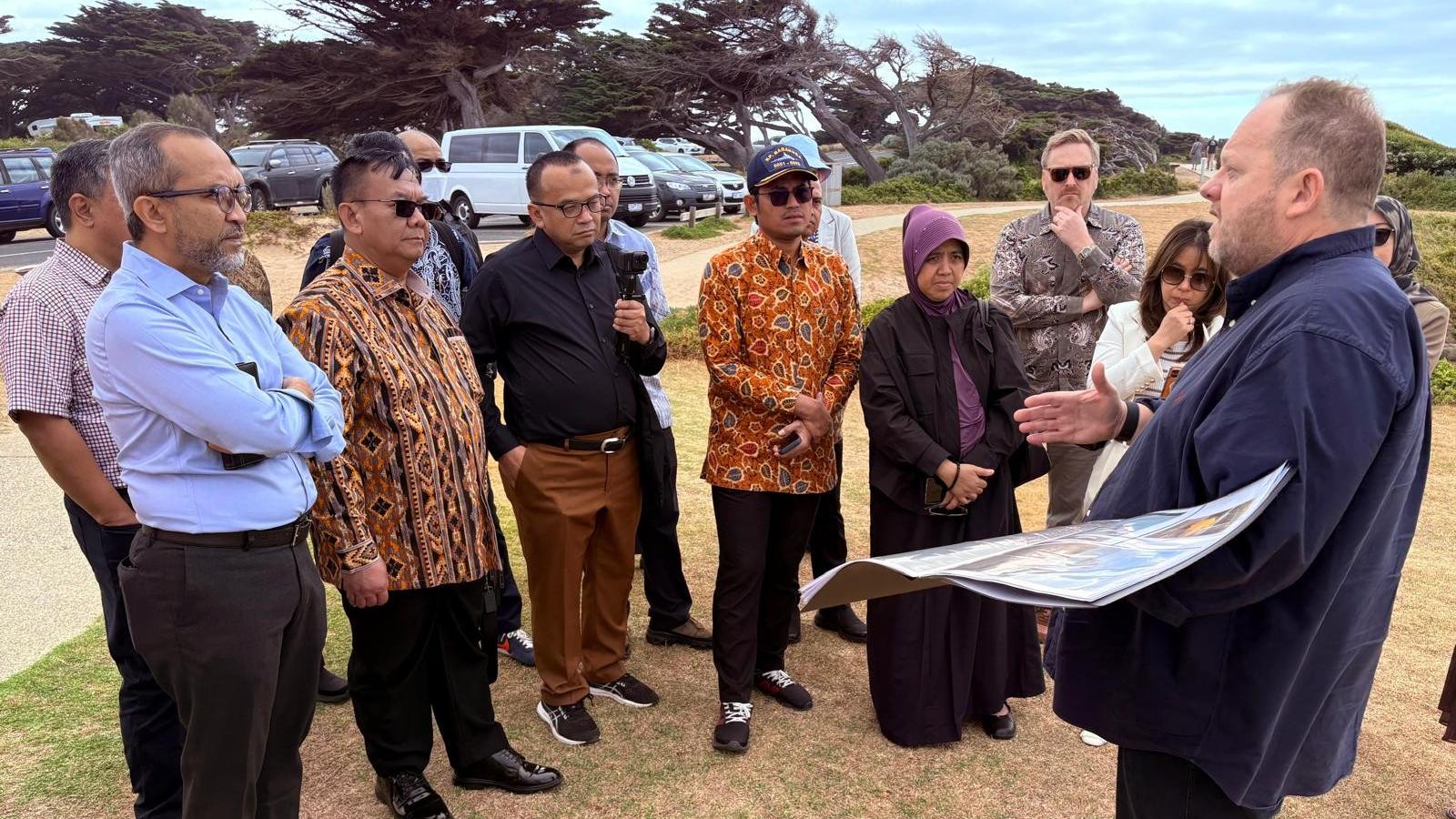
The Cable Connectivity and Resilience Centre (CCRC) hosted a study tour for officials from the Government of Indonesia’s National Team for the Management of Subsea Pipelines and/or Cables. The visit brought together Australian Government agencies to share views on end-to-end subsea telecommunications cable governance, including permitting, protection and resilience. Discussions covered planning, installation, operation and repair, coordination across government, critical infrastructure risk mitigation and incident response. Delegates also met with private sector operators to better understand their decision making and explore how government and industry work together to support secure and reliable connectivity.The study tour supported Indonesia’s ongoing efforts to streamline its permitting processes, enhance transparency and strengthen cable protection settings, consistent with international best practice. It also advanced discussions on the viability of new fibre optic subsea cable links between Australia and Indonesia.The CCRC looks forward to continuing its partnership with Indonesia’s National Team to enhance digital connectivity between Australia and Indonesia.
Read more...
CCRC attends the International Subsea Cable Resilience Summit – Read more
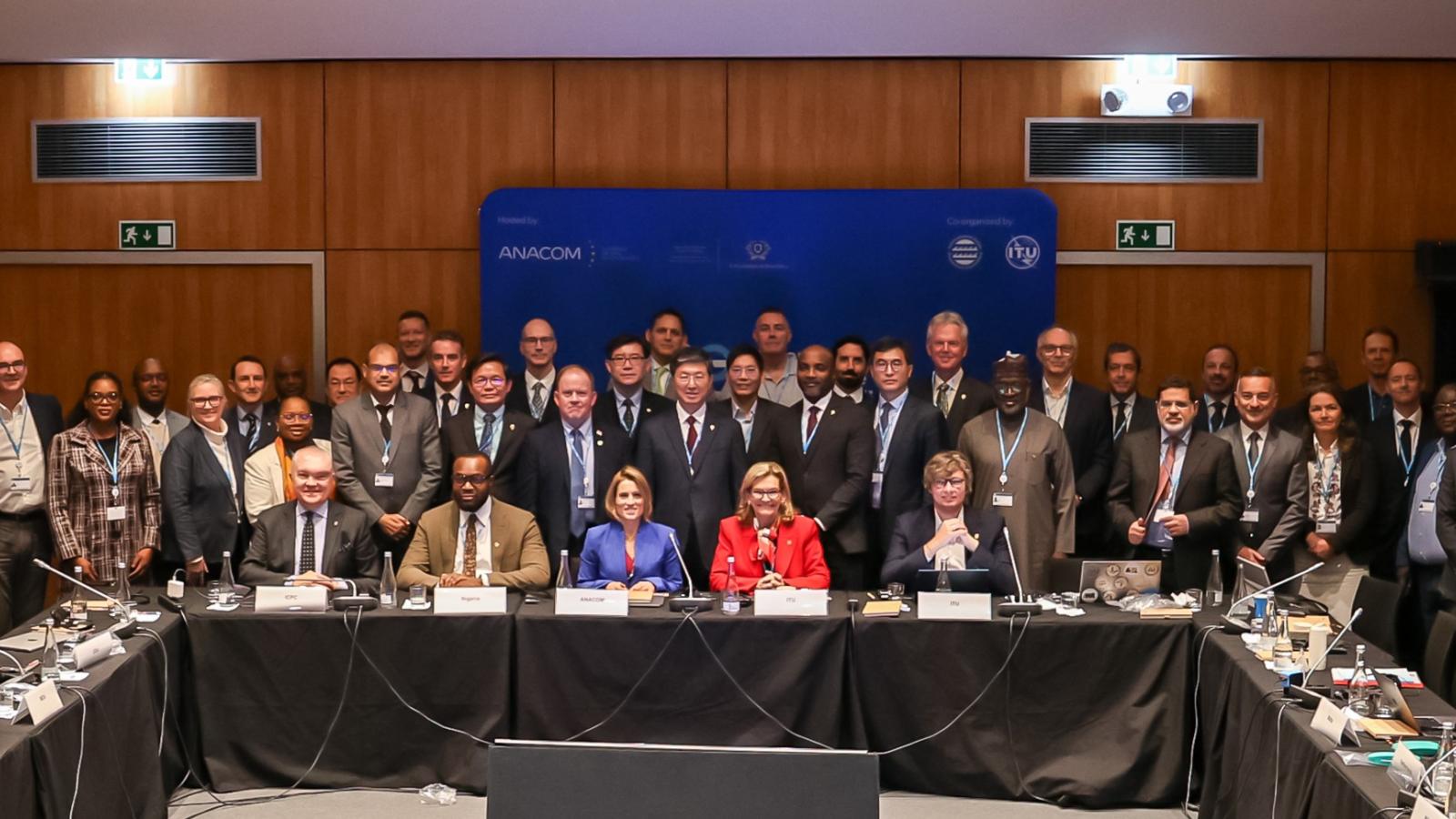
Cable Connectivity and Resilience Centre (CCRC) Director Nadia Krivetz represented the Australian Government at the Second International Subsea Cable Resilience Summit, held in February 2026, in Portugal.The Summit brought together governments, regulatory authorities, industry leaders, investors, subsea cable experts and international organisations to address pressing challenges facing subsea telecommunications cable systems. Discussions focused on strengthening international cooperation and resilience in subsea cables by promoting best practice policy and regulation, streamlining cable permitting, maintenance and repair processes and encouraging enhanced cable protection. The Summit endorsed the Porto Summit Declaration, which sets out practical, non-binding guidance to strengthen international cooperation and enhance the resilience and protection of subsea cable infrastructure worldwide. The Declaration provides a shared framework to support governments and industry in responding to evolving risks and safeguarding global connectivity. The full Declaration is available here.
Read more...
Talanoa in Tonga to safeguard subsea cable connectivity – Read more
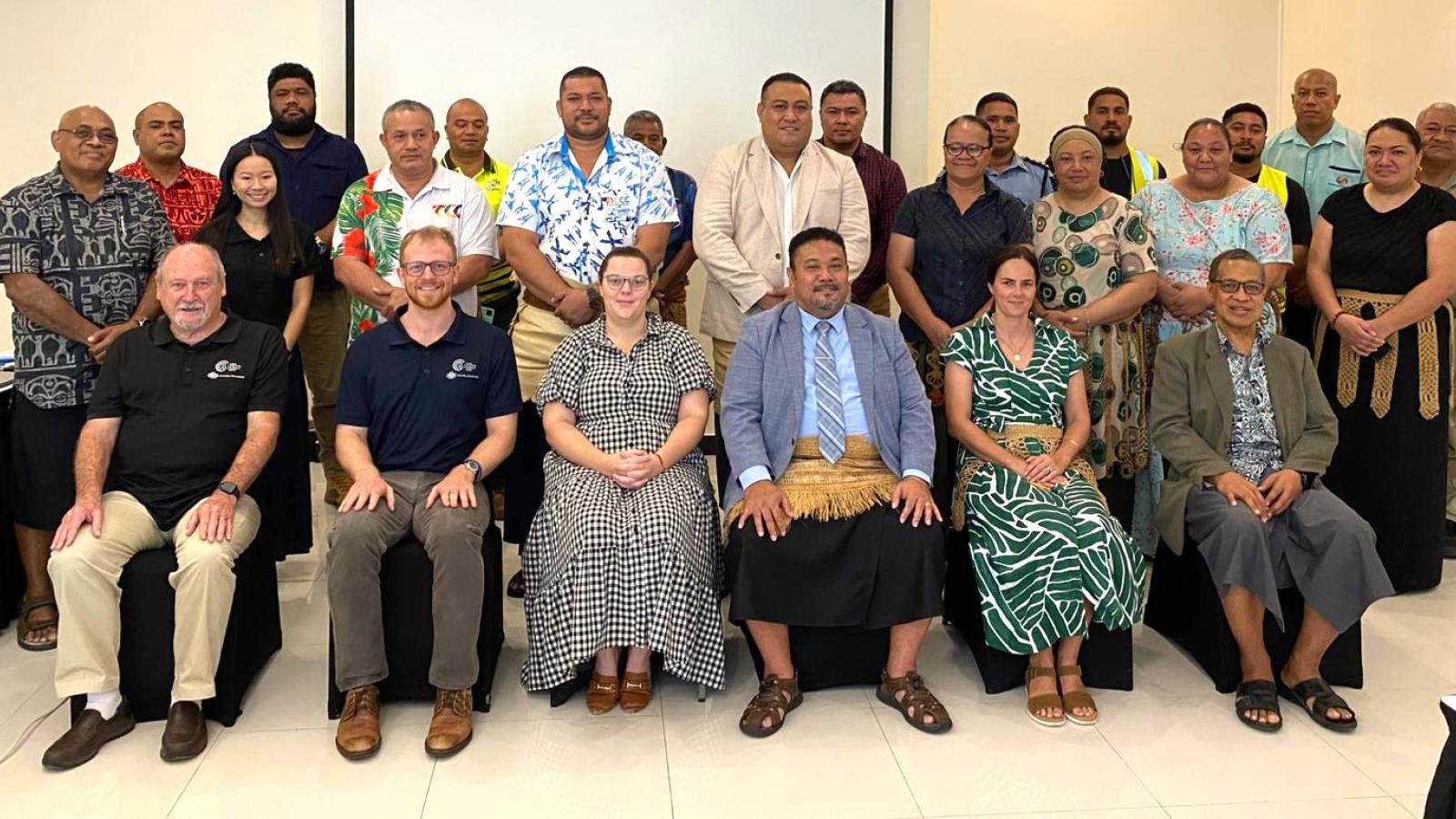
The Cable Connectivity and Resilience Centre (CCRC) travelled to Tonga in February 2026 to participate in a Talanoa supporting the development of a regulatory framework to safeguard Tonga’s subsea telecommunications cables and ensure reliable connectivity for communities, businesses, and government.The Talanoa was held in partnership with the Ministry of Meteorology, Energy, Information, Disaster Management, Environment, Climate Change and Communications, and brought together representatives from across the Tongan Government, cable operators, and ocean management agencies.Discussions focused on local perspectives on risks to Tonga’s subsea cable infrastructure and explored practical and legislative measures to establish cable protection zones and supporting regulations. Participants also considered how such a framework could align with Tonga’s broader ocean management priorities while reflecting international best practice.Insights from the Talanoa will inform the development of policy, legislative, and regulatory arrangements for cable protection, in collaboration with the relevant government agencies and community groups.The CCRC looks forward to continuing its partnership with Tonga to advance these priorities and support resilient digital connectivity across the Pacific.
Read more...
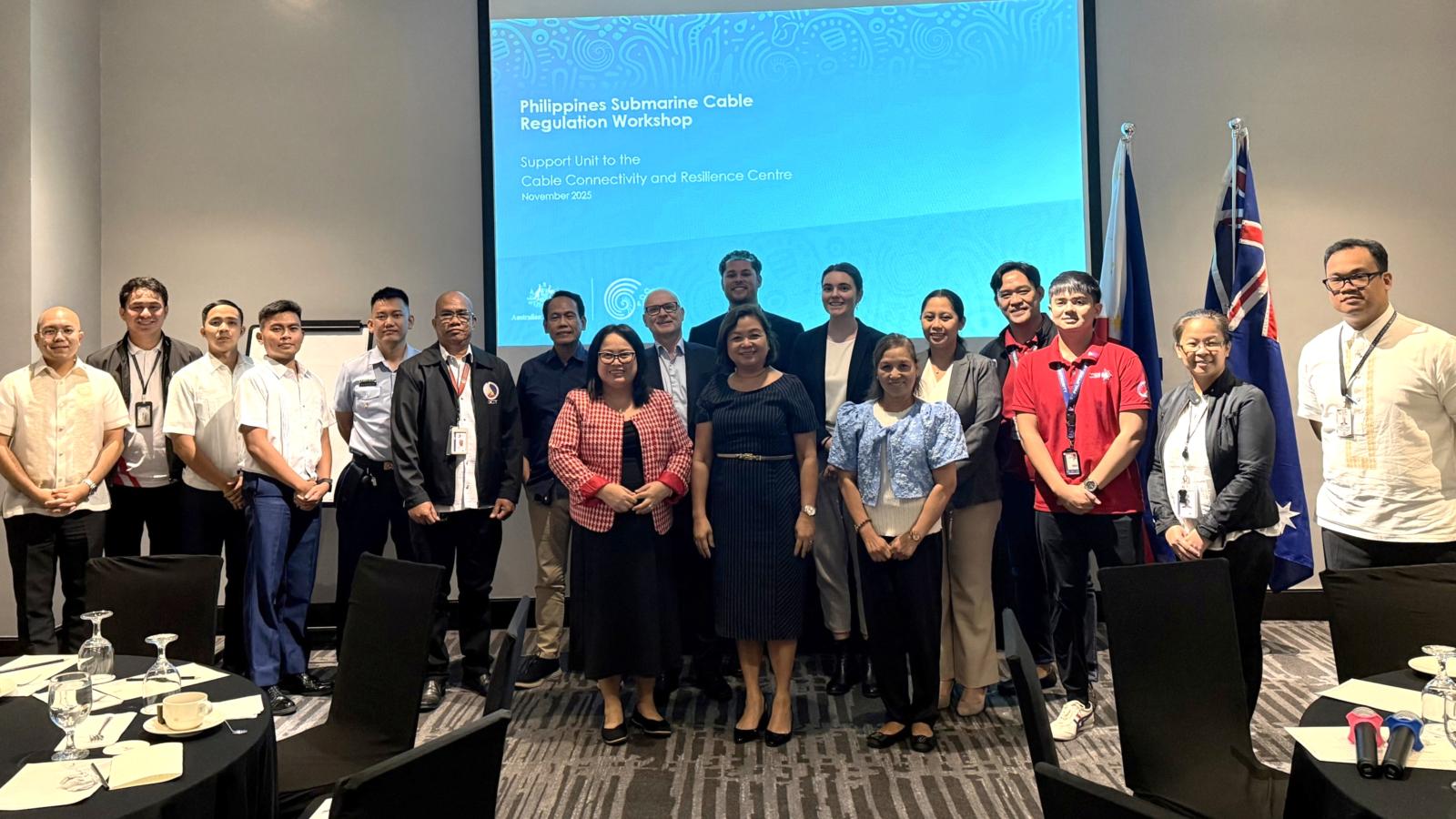
Philippines progresses subsea cable protection – Read more
A workshop in the Philippines has marked a significant milestone in regulatory reform for subsea telecommunications cables and set the stage for the next phase of work. Hosted by the Department of Information and Communications Technology (DICT) and the Cable Connectivity and Resilience Centre (CCRC) in November 2025, the workshop looked at proposed reforms to strengthen the protection of the Philippines’ subsea telecommunications cables and simplify permitting processes for the installation and repair of cables to support the country’s growing connectivity needs. These proposed reforms build on analysis conducted through the Australian Government’s Partnerships for Infrastructure (P4I) program, which examined the Philippines’ subsea cable ecosystem, regulatory environment, and future market potential. Over the past year, CCRC has worked with DICT on guidance to implement a framework for the management and protection of subsea telecommunication cables in the Philippines. The DICT has progressed a regulatory pathway for submarine cable management, shared key analysis with the Office of the President, and initiated steps to establish a dedicated sub-committee on submarine cables within the National Maritime Council. Through this work, internal capacity across DICT has been strengthened, with staff now better equipped to implement and advocate for reforms across government. This work has helped position the Philippines as a regional leader on subsea cable resilience, aligning closely with ASEAN’s digital connectivity agenda as the country prepares to assume the ASEAN Chair in January 2026.The workshop marks another step in strengthening collaboration between Australia and the Philippines to enhance digital connectivity, resilience, and economic opportunity through well-coordinated infrastructure policy reform.
Read more...
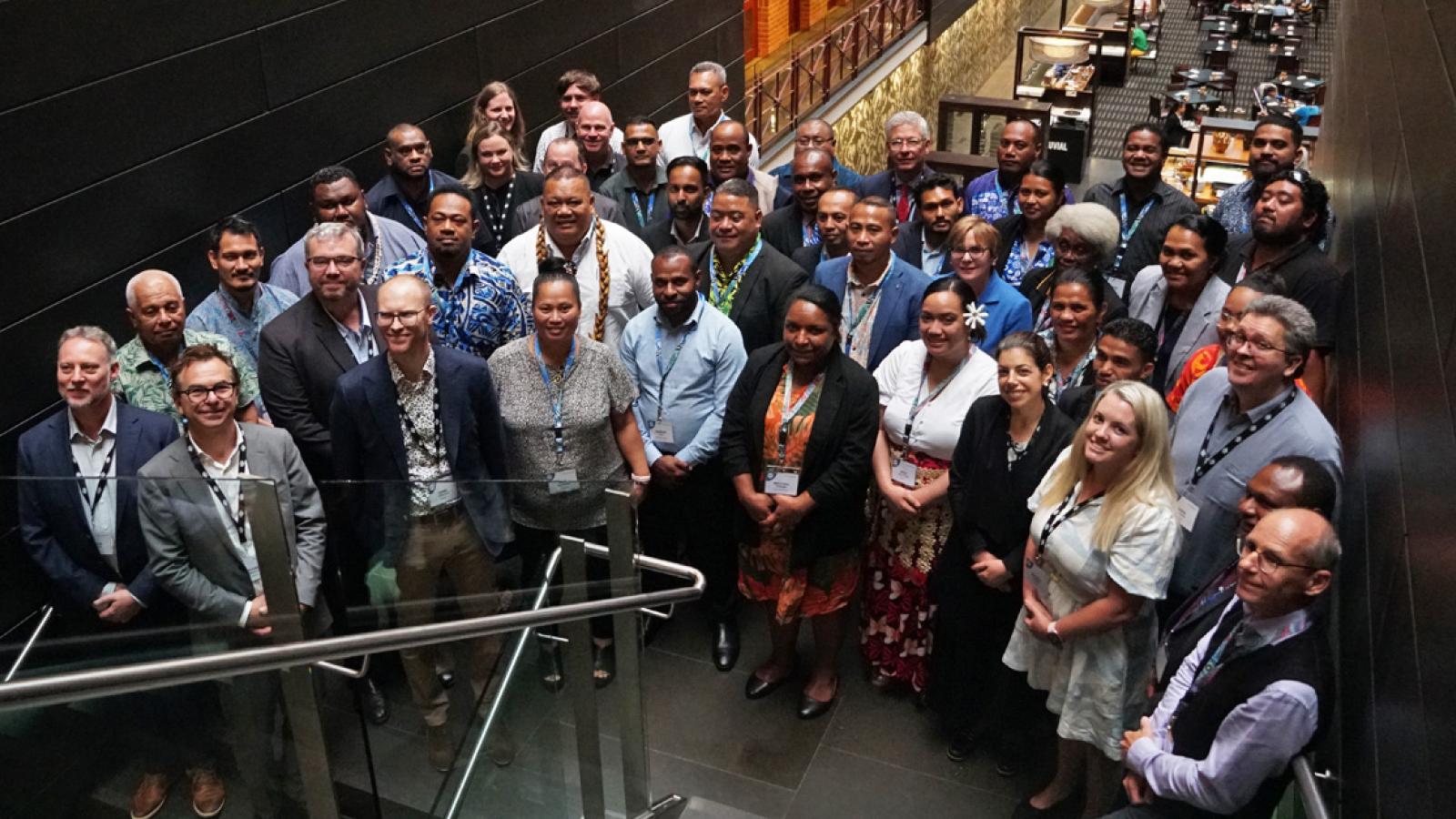
Regional regulators connect to strengthen telecommunications resilience – Read more
Officials from across the region, including Pacific Island countries and Timor-Leste, took part in a Telecommunications and Radiocommunications Training Program (TRTP) held in Melbourne, Australia, aimed at strengthening regional capacity and cooperation in telecommunications regulation.The training was delivered by the Australian Communications and Media Authority (ACMA) in collaboration with the Asia-Pacific Telecommunity (APT), the Department of Infrastructure, Transport, Regional Development, Communications and the Arts (DITRDCA), and the Department of Foreign Affairs and Trade (DFAT), with support from the Cable Connectivity and Resilience Centre (CCRC).Held from 25–27 November 2024, the TRTP brought together 33 delegates from 14 Pacific Island countries and territories, as well as Timor-Leste. The sessions fostered knowledge exchange, technical skill development and stronger regional partnerships among telecommunications regulators and policymakers.Discussions covered key topics such as telecommunications network resilience, wireless broadband, satellite technologies, subsea cable policy and spectrum management. The TRTP also created valuable opportunities for Australian agencies and regional counterparts to share experiences, strengthen ties, and explore solutions to common telecommunications and radiocommunications challenges.By connecting regulators and policymakers from across the region, the TRTP contributed to a shared goal of building a more resilient and connected Indo-Pacific—one where improved communication systems help support growth, inclusion and prosperity across all communities.The CCRC’s participation in the TRTP reflects its ongoing commitment to building technical and policy capacity across the region to strengthen undersea cable resilience.
Read more...
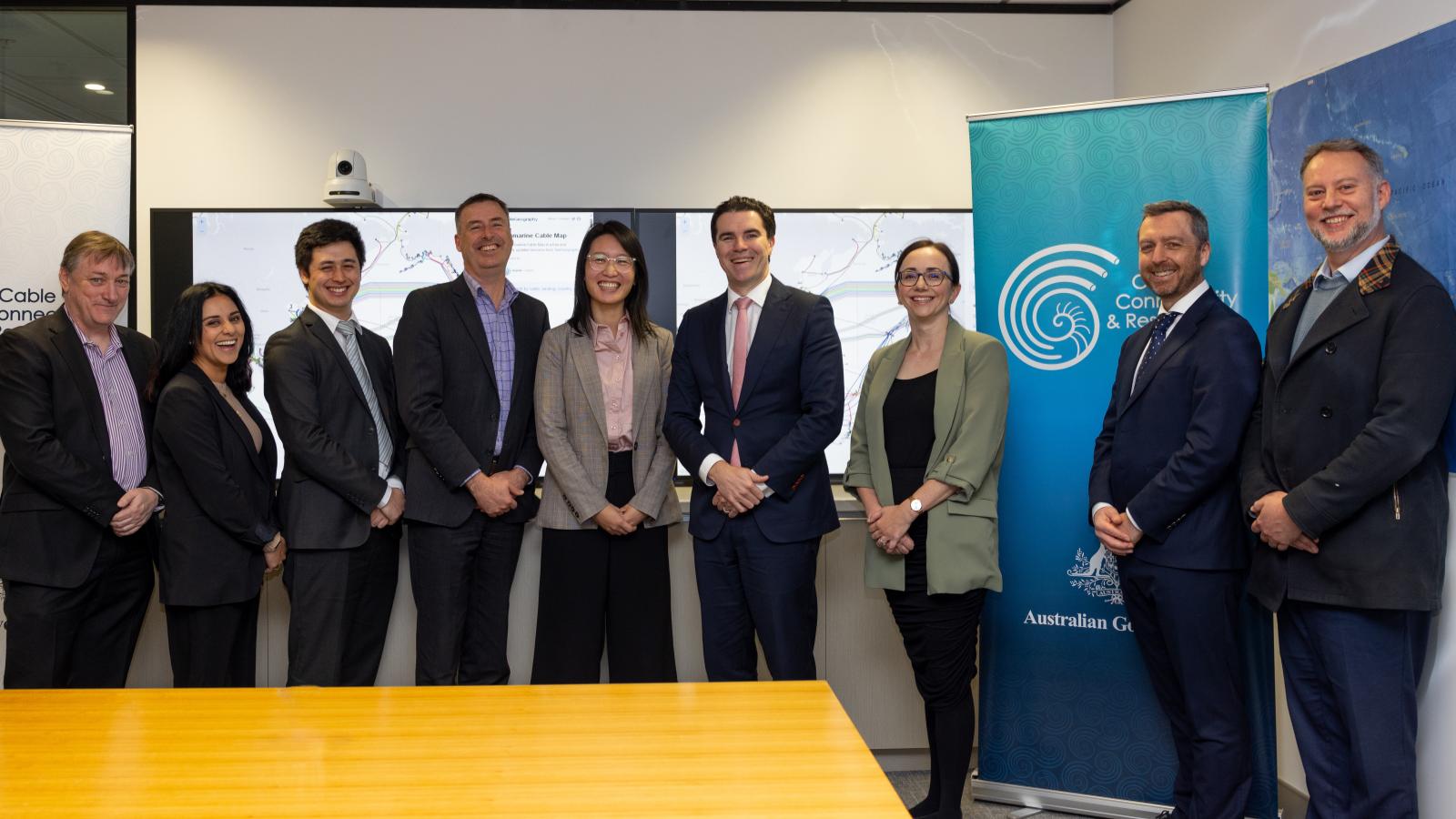
Launch of the Cable Connectivity and Resilience Centre – Read more
Today, Australia is launching a new Cable Connectivity and Resilience Centre, to help ensure undersea cable networks in the Indo-Pacific are resilient and all countries can benefit from reliable connectivity and the growth of the digital economy.This work is integral to the prosperity and security of our region. From emails to e-commerce, accessing news, social media and streaming content, we rely on a vast network of undersea cables, which carry over 95 per cent of international data traffic.Australia will invest more than $18 million over the next four years in the Centre, which will draw on our extensive undersea telecommunications cables expertise and experience to:Provide technical assistance and training across the Indo-Pacific.Commission research and analysis to support Indo-Pacific governments with policy development, regulations and decision-making regarding undersea cables.Share information and host dialogues to strengthen engagement between Indo-Pacific governments and industry.The Centre is an important Australian contribution to the Quad Partnership for Cable Connectivity and Resilience, which is an important demonstration of the Quad's delivery in the region, responding to the Indo-Pacific's most pressing challenges.The Centre is a whole of Australian Government initiative, embedded within the Department of Foreign Affairs and Trade.
Read more...