News
Australia hosts Indonesian delegation to strengthen subsea cable cooperation – Read more
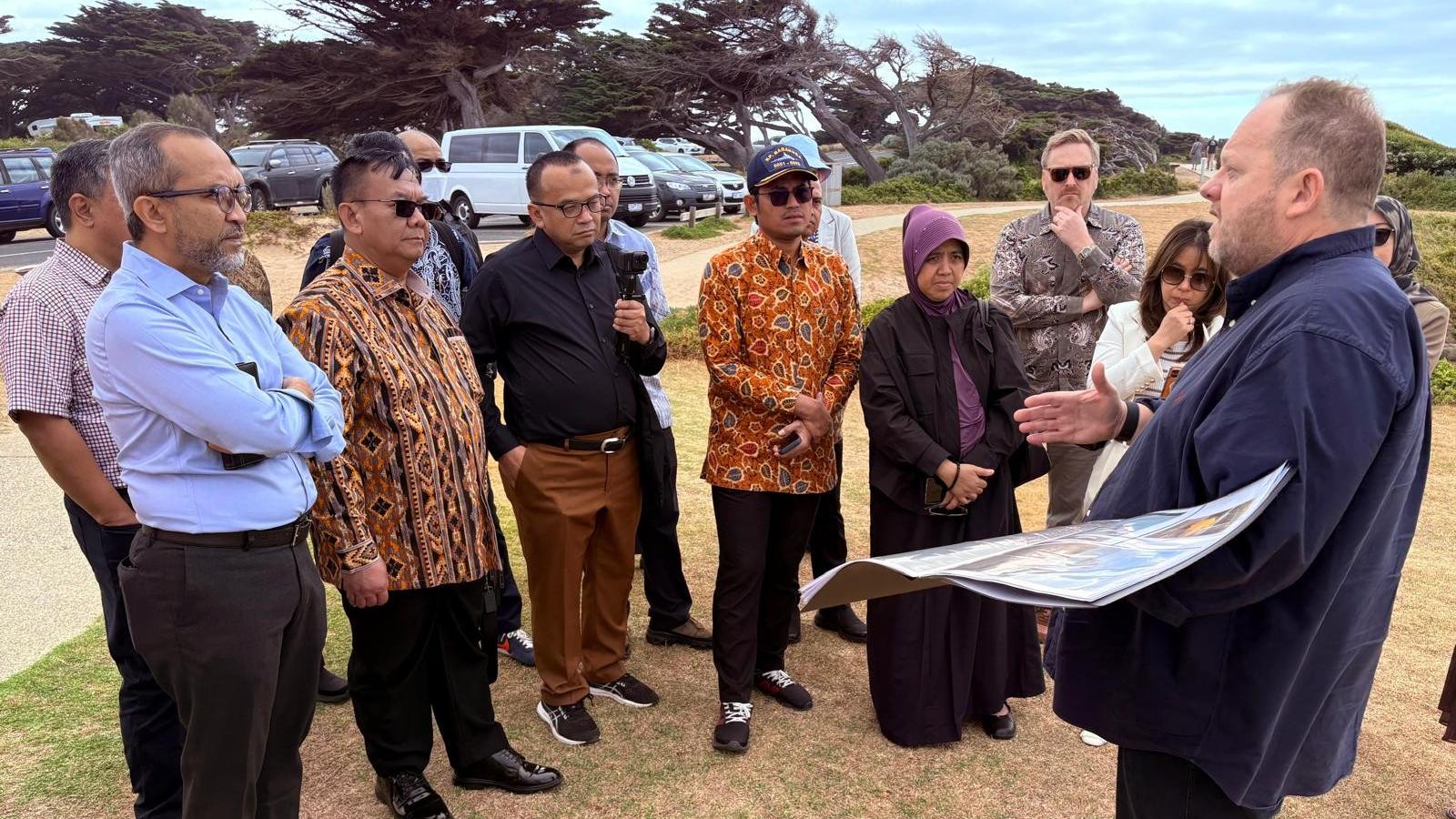
The Cable Connectivity and Resilience Centre (CCRC) hosted a study tour for officials from the Government of Indonesia’s National Team for the Management of Subsea Pipelines and/or Cables. The visit brought together Australian Government agencies to share views on end-to-end subsea telecommunications cable governance, including permitting, protection and resilience. Discussions covered planning, installation, operation and repair, coordination across government, critical infrastructure risk mitigation and incident response. Delegates also met with private sector operators to better understand their decision making and explore how government and industry work together to support secure and reliable connectivity.The study tour supported Indonesia’s ongoing efforts to streamline its permitting processes, enhance transparency and strengthen cable protection settings, consistent with international best practice. It also advanced discussions on the viability of new fibre optic subsea cable links between Australia and Indonesia.The CCRC looks forward to continuing its partnership with Indonesia’s National Team to enhance digital connectivity between Australia and Indonesia.
Read more...
CCRC attends the International Subsea Cable Resilience Summit – Read more
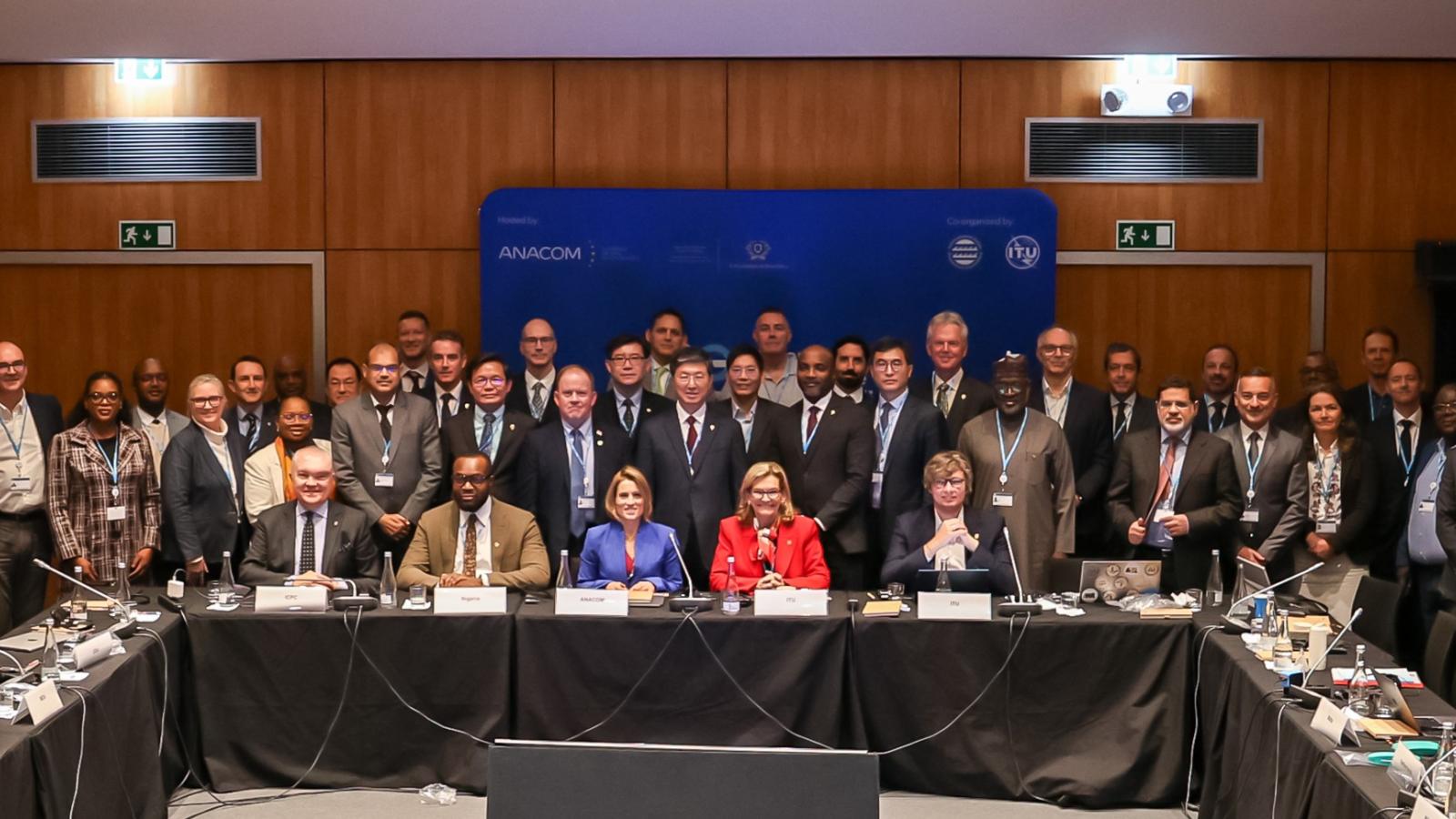
Cable Connectivity and Resilience Centre (CCRC) Director Nadia Krivetz represented the Australian Government at the Second International Subsea Cable Resilience Summit, held in February 2026, in Portugal.The Summit brought together governments, regulatory authorities, industry leaders, investors, subsea cable experts and international organisations to address pressing challenges facing subsea telecommunications cable systems. Discussions focused on strengthening international cooperation and resilience in subsea cables by promoting best practice policy and regulation, streamlining cable permitting, maintenance and repair processes and encouraging enhanced cable protection. The Summit endorsed the Porto Summit Declaration, which sets out practical, non-binding guidance to strengthen international cooperation and enhance the resilience and protection of subsea cable infrastructure worldwide. The Declaration provides a shared framework to support governments and industry in responding to evolving risks and safeguarding global connectivity. The full Declaration is available here.
Read more...
Talanoa in Tonga to safeguard subsea cable connectivity – Read more
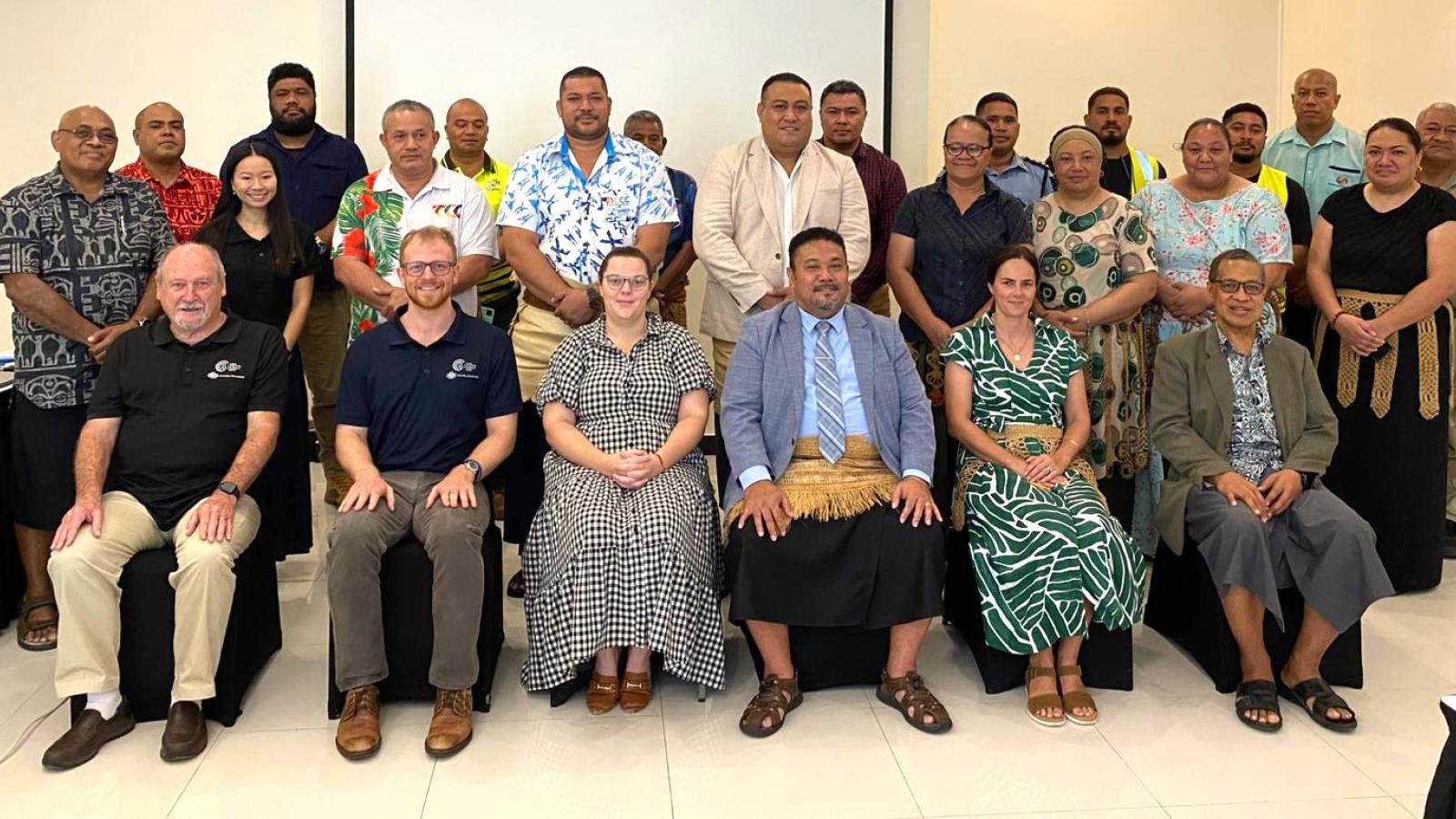
The Cable Connectivity and Resilience Centre (CCRC) travelled to Tonga in February 2026 to participate in a Talanoa supporting the development of a regulatory framework to safeguard Tonga’s subsea telecommunications cables and ensure reliable connectivity for communities, businesses, and government.The Talanoa was held in partnership with the Ministry of Meteorology, Energy, Information, Disaster Management, Environment, Climate Change and Communications, and brought together representatives from across the Tongan Government, cable operators, and ocean management agencies.Discussions focused on local perspectives on risks to Tonga’s subsea cable infrastructure and explored practical and legislative measures to establish cable protection zones and supporting regulations. Participants also considered how such a framework could align with Tonga’s broader ocean management priorities while reflecting international best practice.Insights from the Talanoa will inform the development of policy, legislative, and regulatory arrangements for cable protection, in collaboration with the relevant government agencies and community groups.The CCRC looks forward to continuing its partnership with Tonga to advance these priorities and support resilient digital connectivity across the Pacific.
Read more...
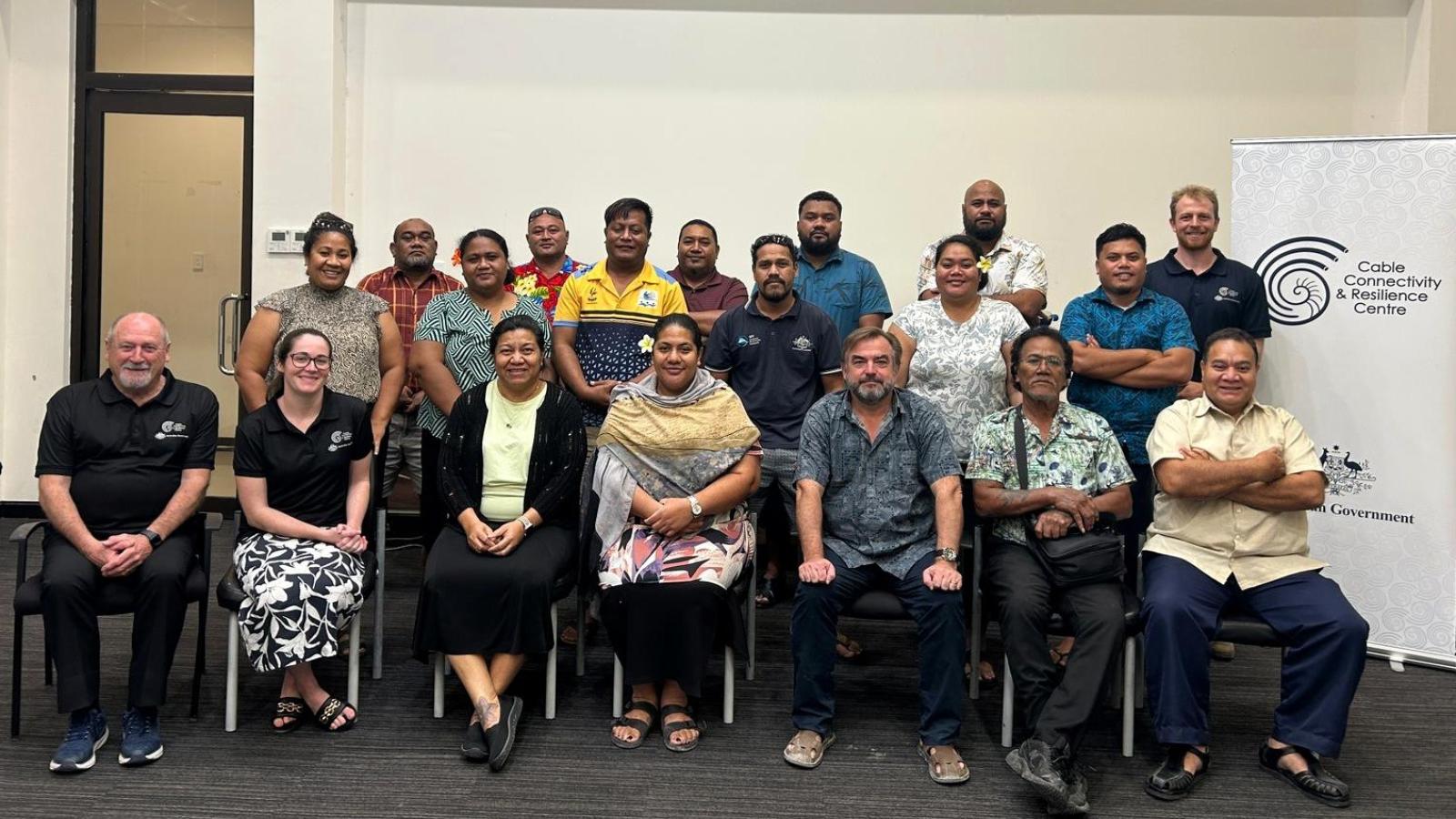
Tuvalu leads the way in protecting its first undersea cable – Read more
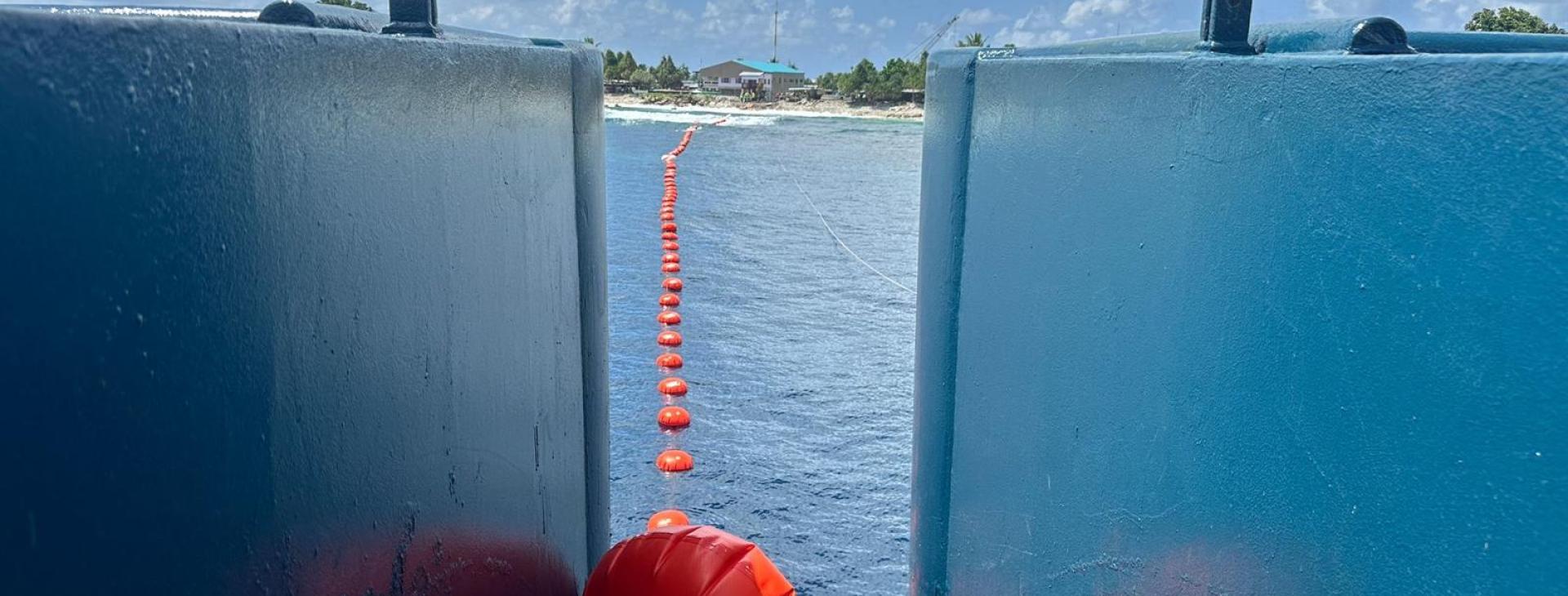
Tuvalu’s first undersea telecommunications cable — the Vaka Cable — is now live, marking a major milestone in the country’s digital transformation. The cable will deliver more reliable and affordable internet across Tuvalu, improving digital access and inclusion.The USD 56 million (AUD 80 million) project is supported by the Australian Infrastructure Financing Facility for the Pacific (AIFFP), which has contributed up to USD 37 million (AUD 53 million), alongside partners including Japan, New Zealand, Taiwan, the United States and Google.To help safeguard the cable, the Cable Connectivity and Resilience Centre (CCRC) is working with Tuvalu counterparts to develop a locally led cable protection framework, ensuring systems and practices are in place to protect this critical infrastructure.In June 2025, the CCRC convened a talanoa with government representatives, Tuvalu Telecom and technical experts. Co-chaired by Permanent Secretary Simalua Enele Taliu and Tuvalu Telecom CEO Tenanoia Simona, the session produced practical recommendations now being incorporated into the framework. The CCRC looks forward to continuing its partnership with Tuvalu on these digital priorities.
Read more...

Workshops explore the futures of undersea cables across the Indo-Pacific – Read more
Governments, industry leaders and technical experts from across the Indo-Pacific came together through a series of regional workshops in Singapore, New Delhi and Melbourne to explore how undersea cable networks could evolve to meet the region’s future connectivity needs.Using scenario-based planning, participants examined how social, environmental and economic factors might shape the region’s digital infrastructure by 2045, and what steps were needed to strengthen resilience.The workshops formed part of the Futures of Undersea Cables initiative, led by the Tech Policy Design Institute. The project was delivered in collaboration with the ANU National Security College Futures Hub and the Tech for Good Institute and supported by the Cable Connectivity and Resilience Centre (CCRC). The project aimed to encourage thinking beyond current issues and consider how undersea cable requirements may change over the coming decades, as a means to identify opportunities for governments and industry to work together to ensure future connectivity and protection.Across the three workshops, participants explored diverse perspectives on the challenges of growing data demand, investment needs, and the potential role of emerging technologies such as satellite networks. The sessions also examined best-practice approaches in technical assistance, research and policy analysis, and knowledge sharing—laying the groundwork for stronger cable protection frameworks and improved regional cooperation.The findings from the workshops have resulted in the report, Beneath the Surface: Critical Connections and Regional Futures, which presents a multimedia Cables Futures Toolkit to empower stakeholders and enable engaging and constructive dialogue across the region recommendations for strengthening cable resilience across the Indo-Pacific.
Read more...
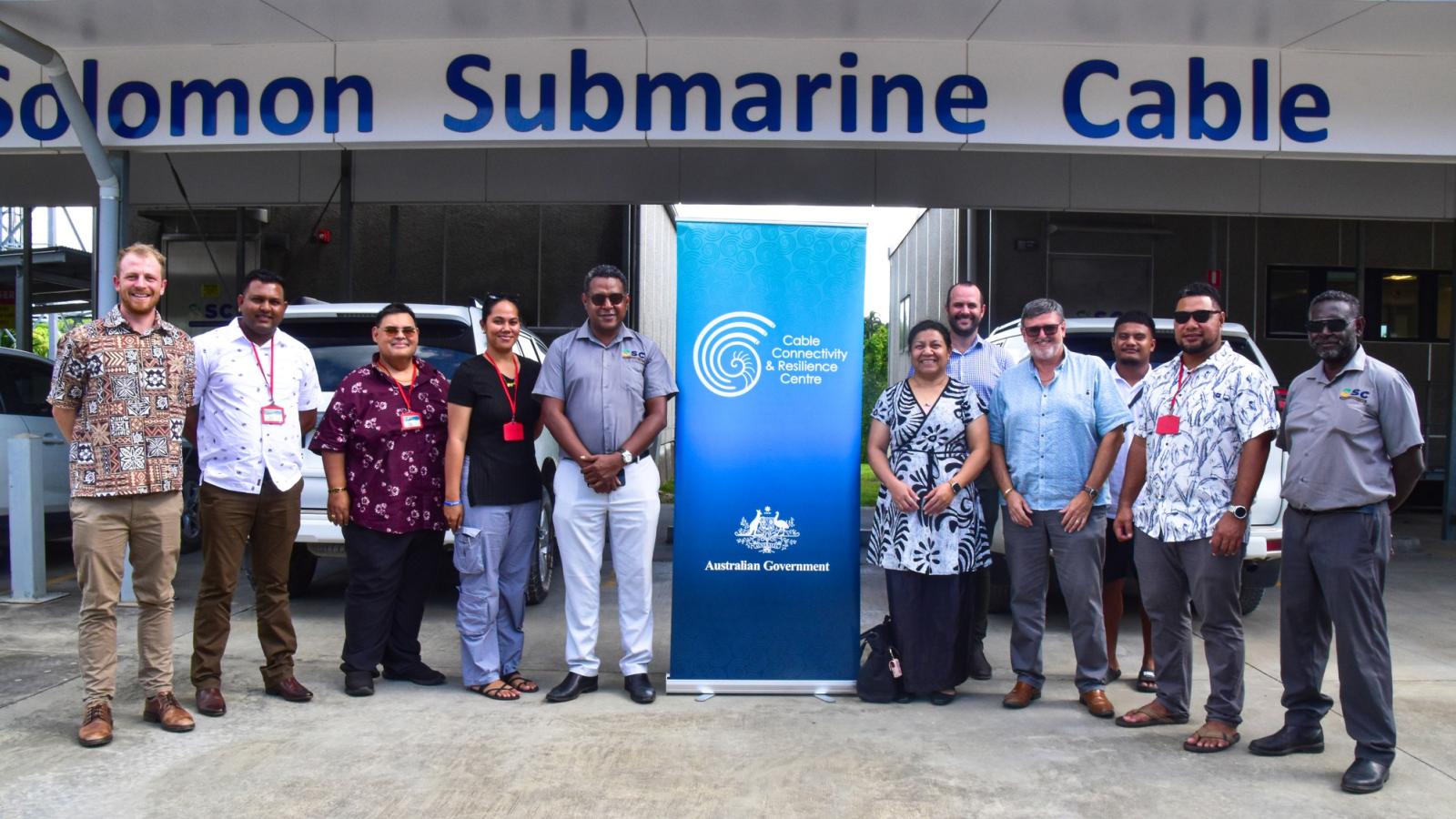
Solomon Islands, Nauru and Tuvalu strengthen ties through cable knowledge exchange – Read more
In May 2025, the Cable Connectivity and Resilience Centre supported a study tour to the Solomon Islands Submarine Cable Company (SISCC) for representatives from Nauru Fibre Cable (NFC) and Tuvalu Telecommunications Corporation (TTC).Both Nauru and Tuvalu landed their first international cables this year. The tour provided an opportunity to learn how SISCC successfully manages the Coral Sea Cable System and the Solomon Islands Domestic Network.SISCC conducted a tour of the cable landing station and guided participants through day-to-day operations and infrastructure management, including monitoring systems, maintenance practices, and measures to support cable protection.This was a valuable opportunity to share experiences and knowledge across the Pacific on the development, management, and protection of undersea cables.The visit came at a good time, with both NFC and TTC preparing to operationalise their first international cable systems.A big thank you to SISCC for hosting and facilitating this successful visit.
Read more...