News
LEO satellite research launched at PITA conference – Read more
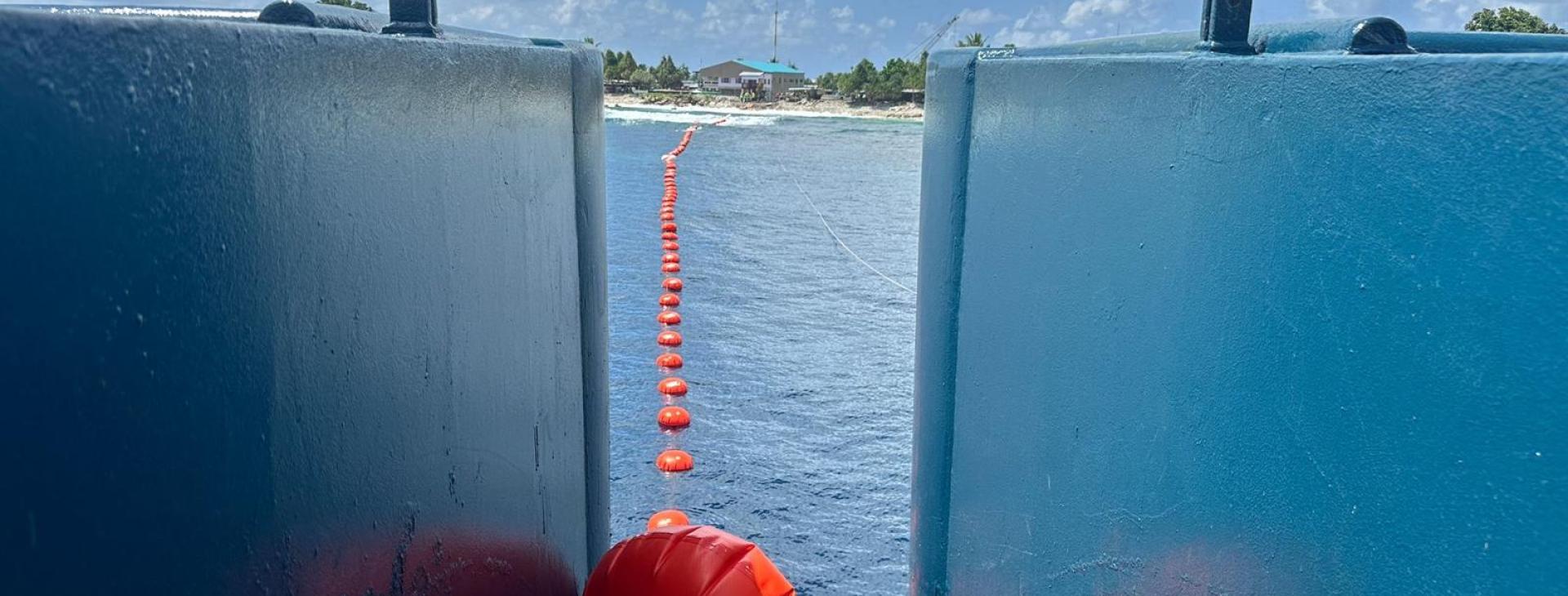
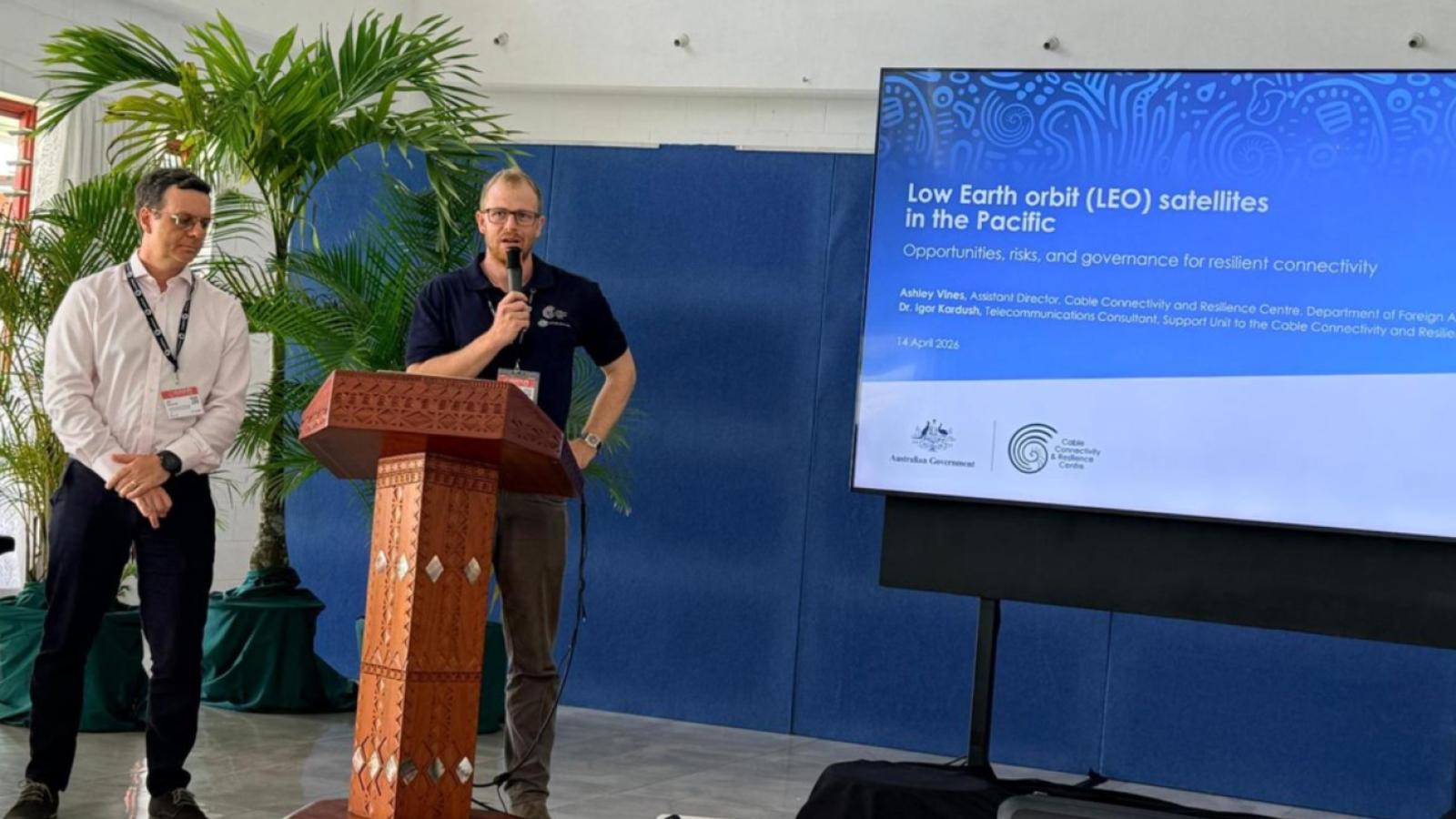
The Cable Connectivity and Resilience Centre (CCRC) launched its research report, Low Earth orbit satellites in the Pacific: Opportunities, risks, and governance for resilient connectivity, at the 30th Pacific Islands Telecommunications Association (PITA) AGM, Business Forum and Expo. Held in Rarotonga, Cook Islands, from the 13 – 17 April 2026, PITA is a key regional platform for Pacific connectivity discussions, bringing together governments, regulators, industry, development partners and more. The Australian Government is pleased to be a member of PITA and attend the AGM each year, supporting regional knowledge sharing and strengthening links between governments and industry. CCRC’s research launched at the conference explores how LEO satellites can be most effectively integrated alongside submarine fibre cables. Key findings of the report are that subsea telecommunications cables remain the backbone of high-capacity connectivity across the Pacific, providing the lowest total cost of ownership over the long-term to meet growing demand, with LEO satellite systems a very important complementary layer - extending coverage, strengthening redundancy and improving resilience, particularly for remote areas and outer island communities, and during disasters or connectivity outages. CCRC was pleased to collaborate with the Pacific Telecommunications Council (PTC), Network Strategies, Hibbard Consulting and McCann Consulting International to deliver a workshop for regulators and industry representatives. CCRC shared recent research findings, while Network Strategies presented a case study from Tonga examining the impact of LEO satellite services on local operators and outlining recommended regulatory measures to strengthen domestic competitiveness. These insights supported a robust discussion on the governance and management of LEO satellite systems in the Pacific. Participants underscored the need for coordinated policy and regulatory approaches to support emerging hybrid connectivity models as technologies continue to evolve. We thank PTC and PITA for their collaboration and partnership in delivering this workshop.Through its participation at PITA, the CCRC welcomed the opportunity to connect with key regional partners and work together to strengthen connectivity and resilience in Pacific islands countries. Click here for the full report.
Read more...
Peak industry-led body highlights need for collaboration to protect global connectivity – Read more
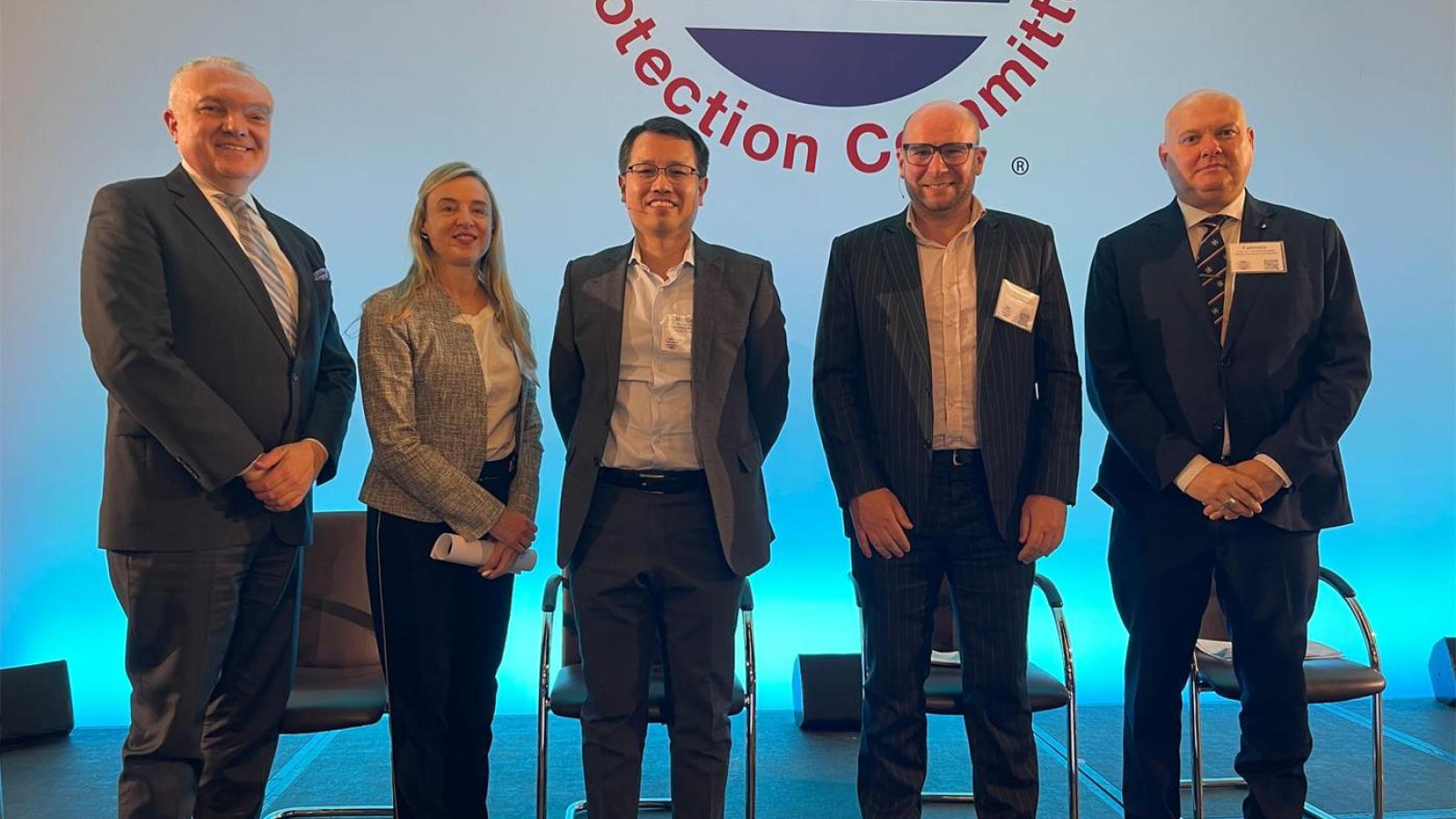
The 2026 International Cable Protection Committee (ICPC) Plenary brought together governments, industry and experts to advance collaboration on protecting global connectivity. Australia was represented by the Director of the Cable Connectivity and Resilience Centre (CCRC), Nadia Krivetz, attending as a Government Observer. Held in Athens, Greece in April 2026, the 40th ICPC Plenary was themed ‘collaboration to protect global connectivity’ and focused on the challenges and opportunities shaping the future of critical subsea cable infrastructure. Ms Krivetz participated in a panel discussion on regulatory and policy approaches to strengthening subsea cable protection and resilience. The discussion highlighted the role of effective policy and regulatory settings to support the security, reliability and ongoing operation of global cable networks. The Plenary provided an excellent opportunity to engage with industry leaders and other Government Observers, to exchange views and share insights on emerging trends and best practice in subsea cable policy and protection. More information about the 2026 ICPC Plenary is available here, on the ICPC website.
Read more...
Australia hosts Indonesian delegation to strengthen subsea cable cooperation – Read more
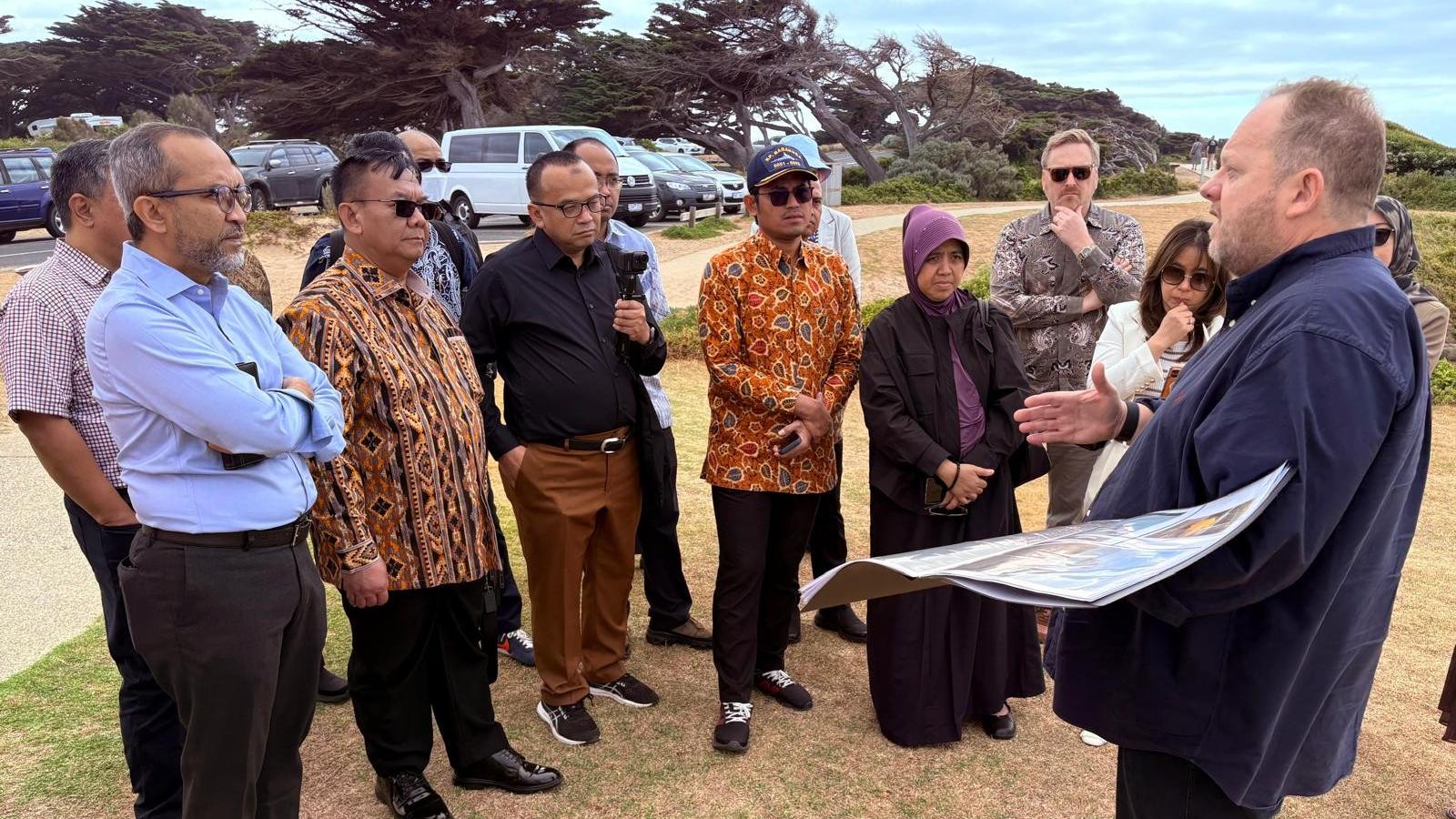
The Cable Connectivity and Resilience Centre (CCRC) hosted a study tour for officials from the Government of Indonesia’s National Team for the Management of Subsea Pipelines and/or Cables. The visit brought together Australian Government agencies to share views on end-to-end subsea telecommunications cable governance, including permitting, protection and resilience. Discussions covered planning, installation, operation and repair, coordination across government, critical infrastructure risk mitigation and incident response. Delegates also met with private sector operators to better understand their decision making and explore how government and industry work together to support secure and reliable connectivity.The study tour supported Indonesia’s ongoing efforts to streamline its permitting processes, enhance transparency and strengthen cable protection settings, consistent with international best practice. It also advanced discussions on the viability of new fibre optic subsea cable links between Australia and Indonesia.The CCRC looks forward to continuing its partnership with Indonesia’s National Team to enhance digital connectivity between Australia and Indonesia.
Read more...