The Role of Governments in Subsea Cable Repair: Views from the Indo-Pacific – Read more
Submarine cables carry almost all international data for the island nations of Oceania. As digital economies grow and dependence on connectivity deepens, this infrastructure is increasingly seen as a strategic asset for both socio-economic development and national security. The connectivity it provides is a public good, but the majority of the cables, and the system that repairs them are privately owned and commercially operated under maintenance agreements. Governments worldwide are asking what role they should play in ensuring cables can be reliably repaired when they fail, a question sharpened by a changing security environment and by cable fleet capacity pressures. This paper sets out what the commercial system in Oceania provides, where its limits sit, and a non-exhaustive list of options available to governments. The commercial system works under normal conditions. The great majority of cable faults are caused by fishing and anchoring and repair operators routinely service this need, usually under a maintenance agreement, at a balance of service level and cost for its customers. The interdependency between communication networks is an incentive for cooperation between competing system owners and by extension repair operators because each company's network depends on others for redundancy. There are several key factors that could disrupt current trends. The significant increase in cable kilometres planned for the region leaves an open question over whether fault numbers will rise in proportion. Climate change is increasing the frequency and severity of natural hazards. Extreme natural disasters can create multi-fault events, and severe storm events can reduce the windows in which ships can safely operate to repair them. Hyperscaler-owned cables are now a significant and growing presence in the region, but how those owners interact with existing maintenance structures in the future is still taking shape. Two failure modes are worth separating. The first is slow repair under normal conditions when extended outages exceed what a country can absorb. Long Pacific Ocean transits cannot be designed out, but other components, including regulatory friction and fault reduction, can be addressed. The second is non-response or unavailability of a repair capability in a crisis, where the question is whether…
Read more...
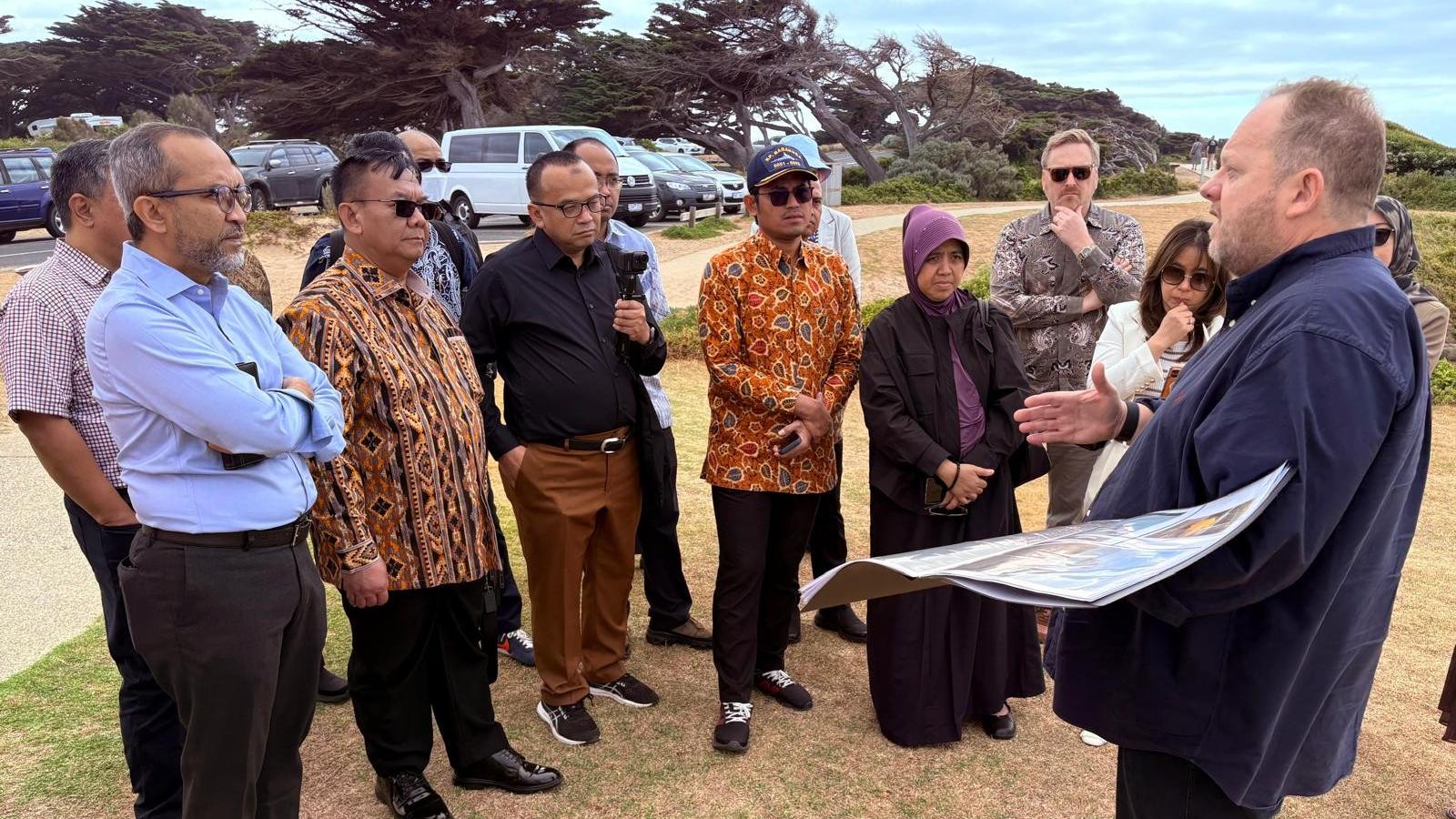
Australia hosts Indonesian delegation to strengthen subsea cable cooperation – Read more
The Cable Connectivity and Resilience Centre (CCRC) hosted a study tour for officials from the Government of Indonesia’s National Team for the Management of Subsea Pipelines and/or Cables. The visit brought together Australian Government agencies to share views on end-to-end subsea telecommunications cable governance, including permitting, protection and resilience. Discussions covered planning, installation, operation and repair, coordination across government, critical infrastructure risk mitigation and incident response. Delegates also met with private sector operators to better understand their decision making and explore how government and industry work together to support secure and reliable connectivity.The study tour supported Indonesia’s ongoing efforts to streamline its permitting processes, enhance transparency and strengthen cable protection settings, consistent with international best practice. It also advanced discussions on the viability of new fibre optic subsea cable links between Australia and Indonesia.The CCRC looks forward to continuing its partnership with Indonesia’s National Team to enhance digital connectivity between Australia and Indonesia.
Read more...