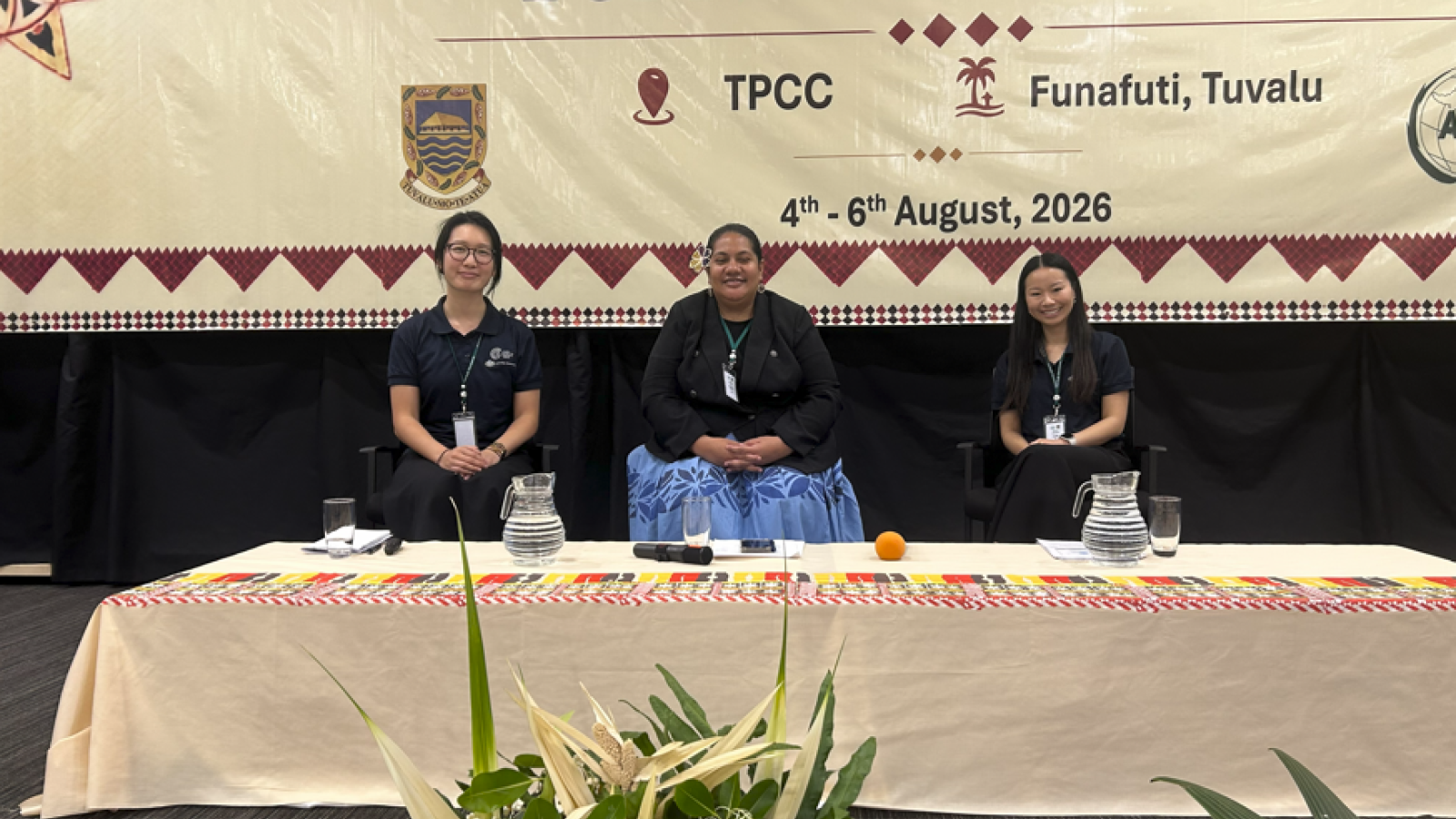
Tuvalu shares experience protecting Vaka cable at APT Policy and Regulation Forum for Pacific – Read more
The Government of Tuvalu and the Cable Connectivity and Resilience Centre (CCRC) shared insights from policy and regulatory work to strengthen the protection of Vaka cable – Tuvalu's first subsea telecommunications cable at the 19th Asia-Pacific Telecommunity Policy and Regulation Forum (PRFP-19). Held in Funafuti, Tuvalu from 4–6 August 2026, the PRFP-19 brought together policymakers, and regulators from across the Pacific to share policy and regulatory approaches for advancing digital transformation in the Pacific including practical approaches to strengthening digital connectivity, resilience and critical infrastructure. The Government of Tuvalu and CCRC presented a session that showcased the development of a cable protection framework and supporting legislation for Vaka Cable. Vaka Cable is critical infrastructure providing reliable international connectivity and supporting enhanced opportunities for education, healthcare, and economic growth. Protecting this infrastructure is essential to ensuring Tuvalu remains connected now and into the future. Ms. Simalua Taliu, Permanent Secretary of the Government of Tuvalu’s Ministry of Transport, Energy, Communication and Innovation opened the session with an overview of Vaka Cable and the importance of practical measures, supported by effective legislative and regulatory settings, to safeguard this critical infrastructure. The session outlined the Government of Tuvalu and CCRC’s work to develop a locally led cable protection framework, provide policy advice to inform cable protection legislation, and support the legislative drafting process. This included how international best practice in subsea cable policy and protection is adapted to Tuvalu's legal, regulatory and operational context. CCRC also presented its Best Practice Toolkit, which provides practical guidance to Indo-Pacific governments to strengthen policy and regulation frameworks that govern the planning, protections and management of subsea telecommunications cables. The session highlighted the value of trusted partnerships, practical technical support and locally led approaches to strengthening cable protection. CCRC is proud to work alongside the Government of Tuvalu to strengthen the resilience of Vaka cable.
Read more...
Best Practice Toolkit: Subsea Telecommunications Cable Policy and Regulation in the Indo-Pacific – Read more
The Best Practice Toolkit is intended to support governments across the Indo-Pacific to strengthen the policy and regulatory frameworks that govern the planning, protection and management of subsea telecommunications cables. Developed by the Cable Connectivity and Resilience Centre, the Toolkit consolidates international best practice and practical guidance drawing on examples from across the Indo-Pacific to support informed, real-world decision-making. The Best Practice Toolkit is for people working within government across the Indo-Pacific who are responsible for, or advise on, subsea telecommunications cable policy and regulation, including: policymakers and regulatorsofficials working across digital connectivity, telecommunications, infrastructure, security, and economic developmentstate-owned enterprises managing cable infrastructureThe Toolkit includes: Toolkit Overview – background information and instructions on how to use the Toolkit.Toolkit packs - 12 thematic packs, each focused on a specific aspect of subsea telecommunications cable policy or regulation, with core guidance and supplementary documents that provide additional detail, examples and context.The Toolkit Overview is available to download below, and to request access to thematic packs, please email the CCRC at undersea.cable@dfat.gov.au.
Read more...
The Role of Governments in Subsea Cable Repair: Views from the Indo-Pacific – Read more
Submarine cables carry almost all international data for the island nations of Oceania. As digital economies grow and dependence on connectivity deepens, this infrastructure is increasingly seen as a strategic asset for both socio-economic development and national security. The connectivity it provides is a public good, but the majority of the cables, and the system that repairs them are privately owned and commercially operated under maintenance agreements. Governments worldwide are asking what role they should play in ensuring cables can be reliably repaired when they fail, a question sharpened by a changing security environment and by cable fleet capacity pressures. This paper sets out what the commercial system in Oceania provides, where its limits sit, and a non-exhaustive list of options available to governments. The commercial system works under normal conditions. The great majority of cable faults are caused by fishing and anchoring and repair operators routinely service this need, usually under a maintenance agreement, at a balance of service level and cost for its customers. The interdependency between communication networks is an incentive for cooperation between competing system owners and by extension repair operators because each company's network depends on others for redundancy. There are several key factors that could disrupt current trends. The significant increase in cable kilometres planned for the region leaves an open question over whether fault numbers will rise in proportion. Climate change is increasing the frequency and severity of natural hazards. Extreme natural disasters can create multi-fault events, and severe storm events can reduce the windows in which ships can safely operate to repair them. Hyperscaler-owned cables are now a significant and growing presence in the region, but how those owners interact with existing maintenance structures in the future is still taking shape. Two failure modes are worth separating. The first is slow repair under normal conditions when extended outages exceed what a country can absorb. Long Pacific Ocean transits cannot be designed out, but other components, including regulatory friction and fault reduction, can be addressed. The second is non-response or unavailability of a repair capability in a crisis, where the question is whether…
Read more...
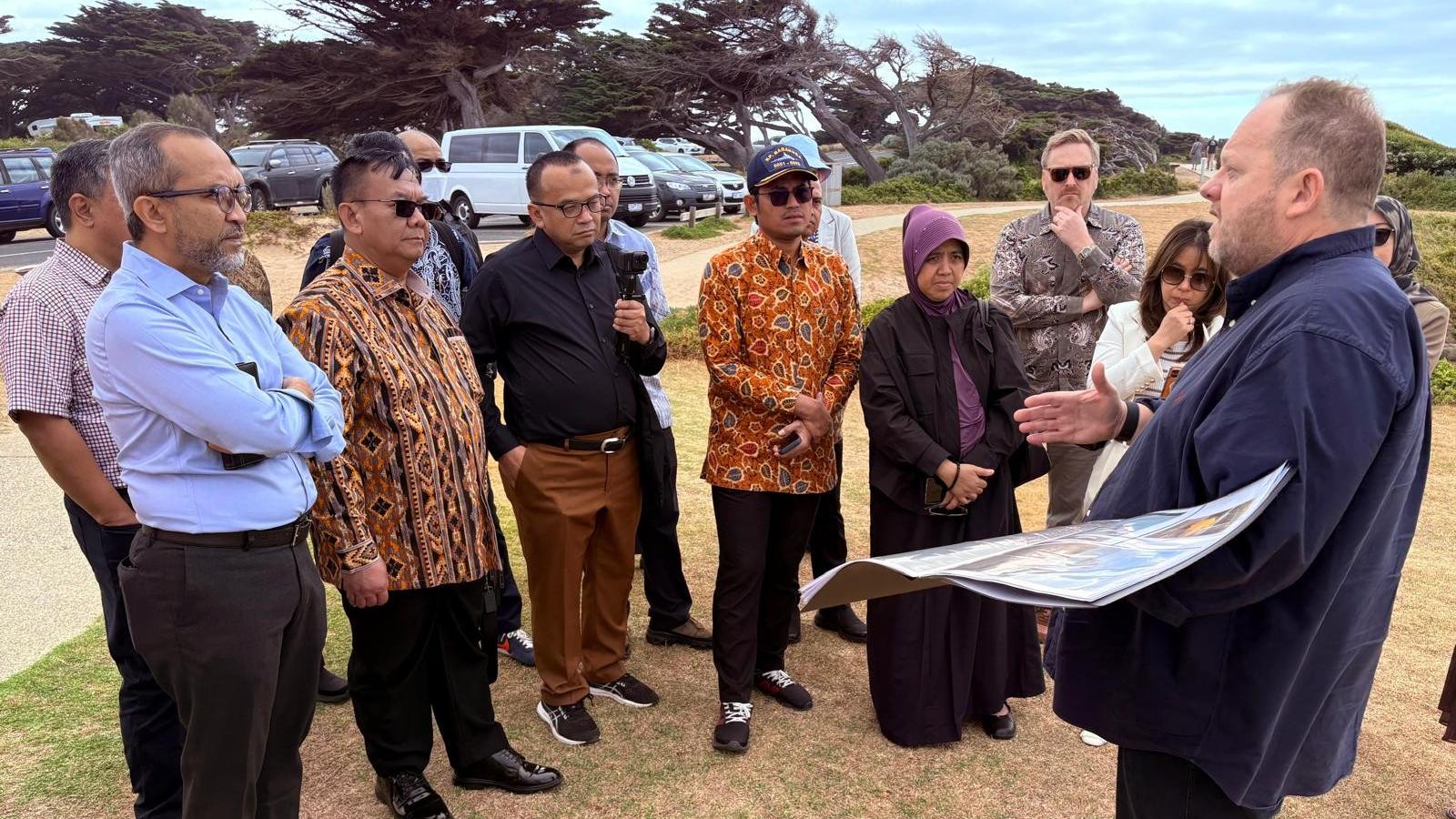
Australia hosts Indonesian delegation to strengthen subsea cable cooperation – Read more
The Cable Connectivity and Resilience Centre (CCRC) hosted a study tour for officials from the Government of Indonesia’s National Team for the Management of Subsea Pipelines and/or Cables. The visit brought together Australian Government agencies to share views on end-to-end subsea telecommunications cable governance, including permitting, protection and resilience. Discussions covered planning, installation, operation and repair, coordination across government, critical infrastructure risk mitigation and incident response. Delegates also met with private sector operators to better understand their decision making and explore how government and industry work together to support secure and reliable connectivity.The study tour supported Indonesia’s ongoing efforts to streamline its permitting processes, enhance transparency and strengthen cable protection settings, consistent with international best practice. It also advanced discussions on the viability of new fibre optic subsea cable links between Australia and Indonesia.The CCRC looks forward to continuing its partnership with Indonesia’s National Team to enhance digital connectivity between Australia and Indonesia.
Read more...
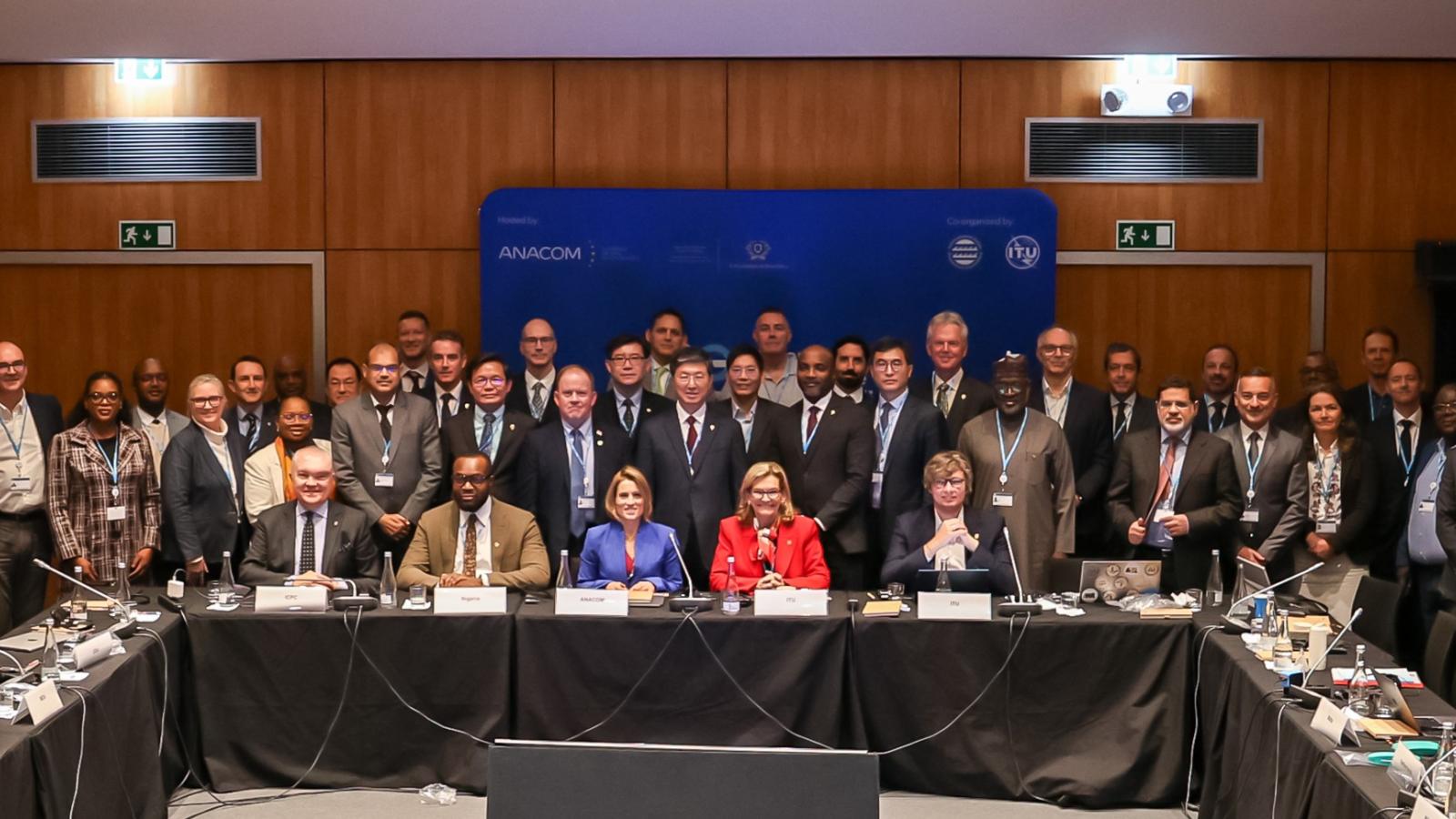
CCRC attends the International Subsea Cable Resilience Summit – Read more
Cable Connectivity and Resilience Centre (CCRC) Director Nadia Krivetz represented the Australian Government at the Second International Subsea Cable Resilience Summit, held in February 2026, in Portugal.The Summit brought together governments, regulatory authorities, industry leaders, investors, subsea cable experts and international organisations to address pressing challenges facing subsea telecommunications cable systems. Discussions focused on strengthening international cooperation and resilience in subsea cables by promoting best practice policy and regulation, streamlining cable permitting, maintenance and repair processes and encouraging enhanced cable protection. The Summit endorsed the Porto Summit Declaration, which sets out practical, non-binding guidance to strengthen international cooperation and enhance the resilience and protection of subsea cable infrastructure worldwide. The Declaration provides a shared framework to support governments and industry in responding to evolving risks and safeguarding global connectivity. The full Declaration is available here.
Read more...
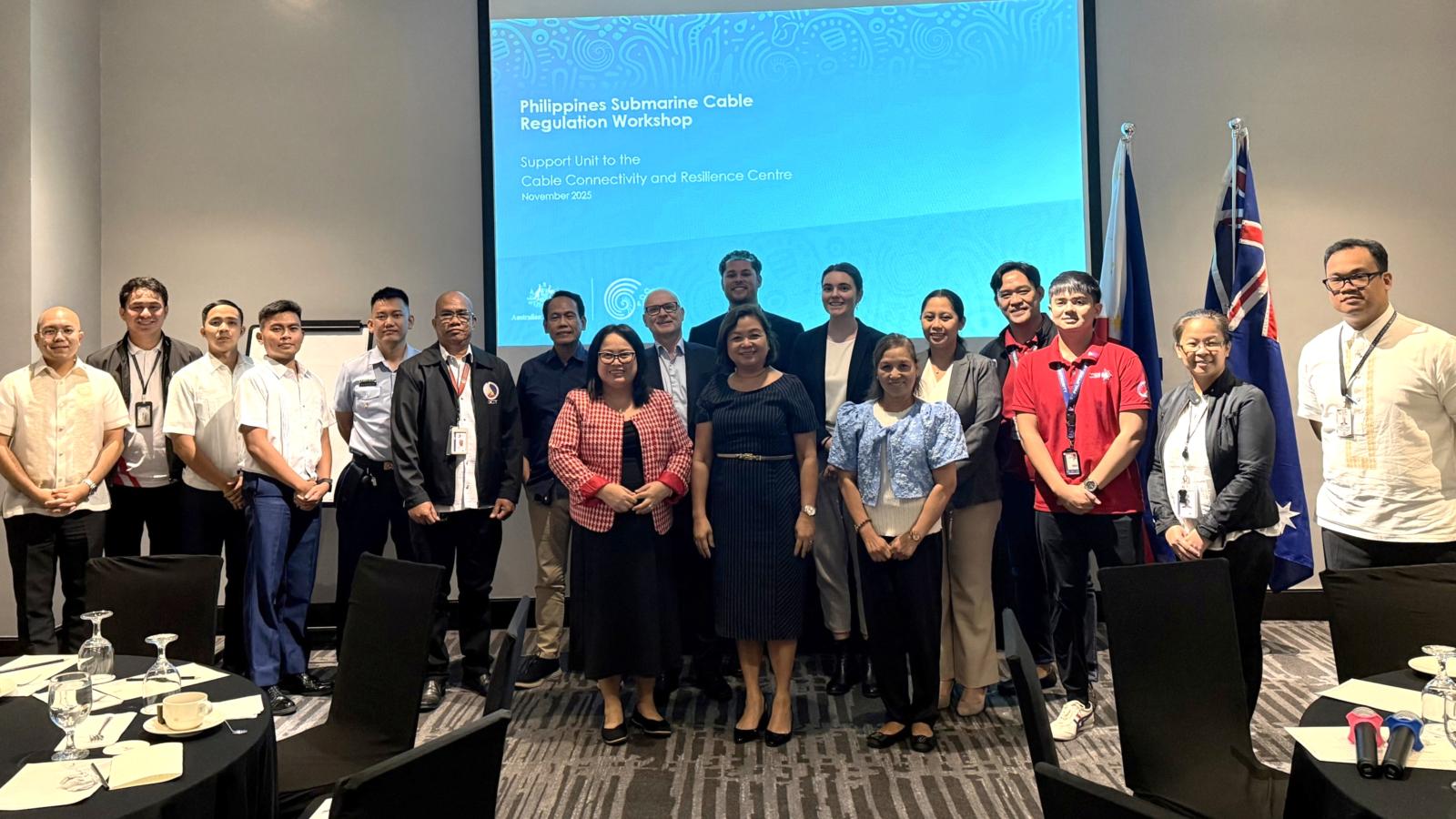
Philippines progresses subsea cable protection – Read more
A workshop in the Philippines has marked a significant milestone in regulatory reform for subsea telecommunications cables and set the stage for the next phase of work. Hosted by the Department of Information and Communications Technology (DICT) and the Cable Connectivity and Resilience Centre (CCRC) in November 2025, the workshop looked at proposed reforms to strengthen the protection of the Philippines’ subsea telecommunications cables and simplify permitting processes for the installation and repair of cables to support the country’s growing connectivity needs. These proposed reforms build on analysis conducted through the Australian Government’s Partnerships for Infrastructure (P4I) program, which examined the Philippines’ subsea cable ecosystem, regulatory environment, and future market potential. Over the past year, CCRC has worked with DICT on guidance to implement a framework for the management and protection of subsea telecommunication cables in the Philippines. The DICT has progressed a regulatory pathway for submarine cable management, shared key analysis with the Office of the President, and initiated steps to establish a dedicated sub-committee on submarine cables within the National Maritime Council. Through this work, internal capacity across DICT has been strengthened, with staff now better equipped to implement and advocate for reforms across government. This work has helped position the Philippines as a regional leader on subsea cable resilience, aligning closely with ASEAN’s digital connectivity agenda as the country prepares to assume the ASEAN Chair in January 2026.The workshop marks another step in strengthening collaboration between Australia and the Philippines to enhance digital connectivity, resilience, and economic opportunity through well-coordinated infrastructure policy reform.
Read more...